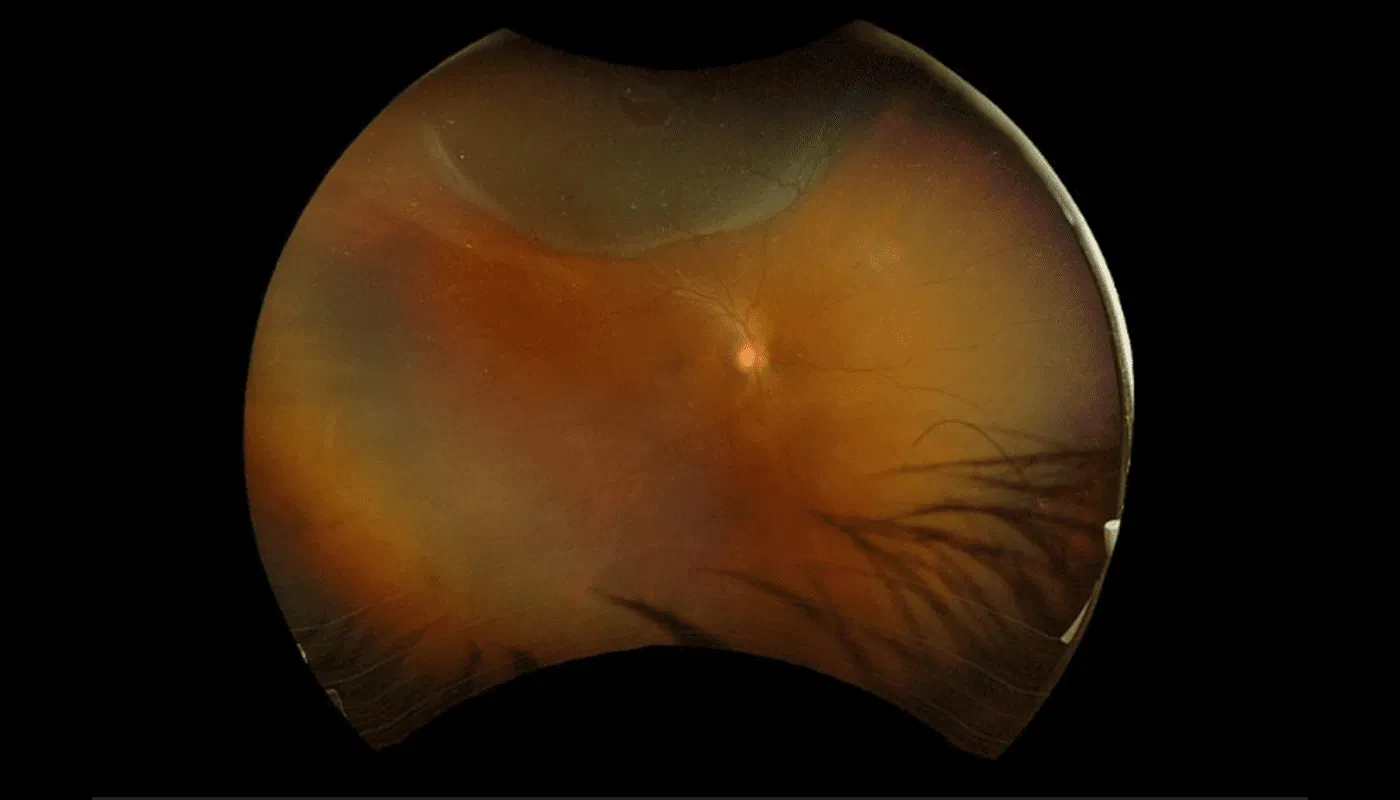
The retina is the thin neurosensory tissue that lines the back of the eye and it is the vital neural tissue that processes the visual stimulus. A retinal detachment or separation of the retina can cause permanent vision loss without prompt treatment, so it’s important to investigate sudden vision changes quickly. Retina specialists Kruti Dajee, MD, Archana Nair, MD, and their team at Greater Dallas Retina in McKinney, Texas, provide specialist assessment and treatment for retinal tears and detachments. Contact Greater Dallas Retina by phone or request an appointment online if you develop retinal detachment symptoms like new flashes, floaters, or a shadow across your vision.
Retinal Tears and Detachment Q & A
What happens when the retina detaches?
The retina is a thin layer of light-sensitive tissue inside the back of your eye. A retinal detachment occurs when part of this tissue separates from the layer underneath that supplies it with oxygen and nutrients.
The most common type, a rhegmatogenous retinal detachment, begins with a retinal tear or hole. Fluid inside the eye passes through the opening and collects beneath the retina, causing it to lift away.
Retinal tears commonly develop when the vitreous, a gel-like substance that fills the center of the eye, pulls away from the retina. This process, known as posterior vitreous detachment, becomes more common with age. As the vitreous separates, it can place enough traction on the retina to create a tear.
In tractional retinal detachment, scar tissue pulls the retina away from the back of the eye, typically these are associated with other systemic conditions such as diabetes or sickle cell retinopathy.
What retinal detachment warning signs need urgent attention?
Retinal detachment usually doesn’t cause pain, but you may notice a sudden vision change. Warning signs include:
- Sudden increases in floaters
- Flashes of light
- Dark shadows in your peripheral vision
- A curtain or veil spreading across your sight
- Sudden blurred or reduced vision
Detachment can spread toward your macula, the central retina responsible for detailed vision. Early assessment is therefore essential.
If caught as a tear or as an early detachment, laser therapy is an appropriate treatment. The type of surgery depends on the age of the patient, location of detachment and other clinical features of the detachment. Surgical strategies include pneumatic retinopexy, scleral buckle, or a vitrectomy.
For more information please visit ASRS page
https://www.asrs.org/patients/retinal-diseases/6/retinal-detachment