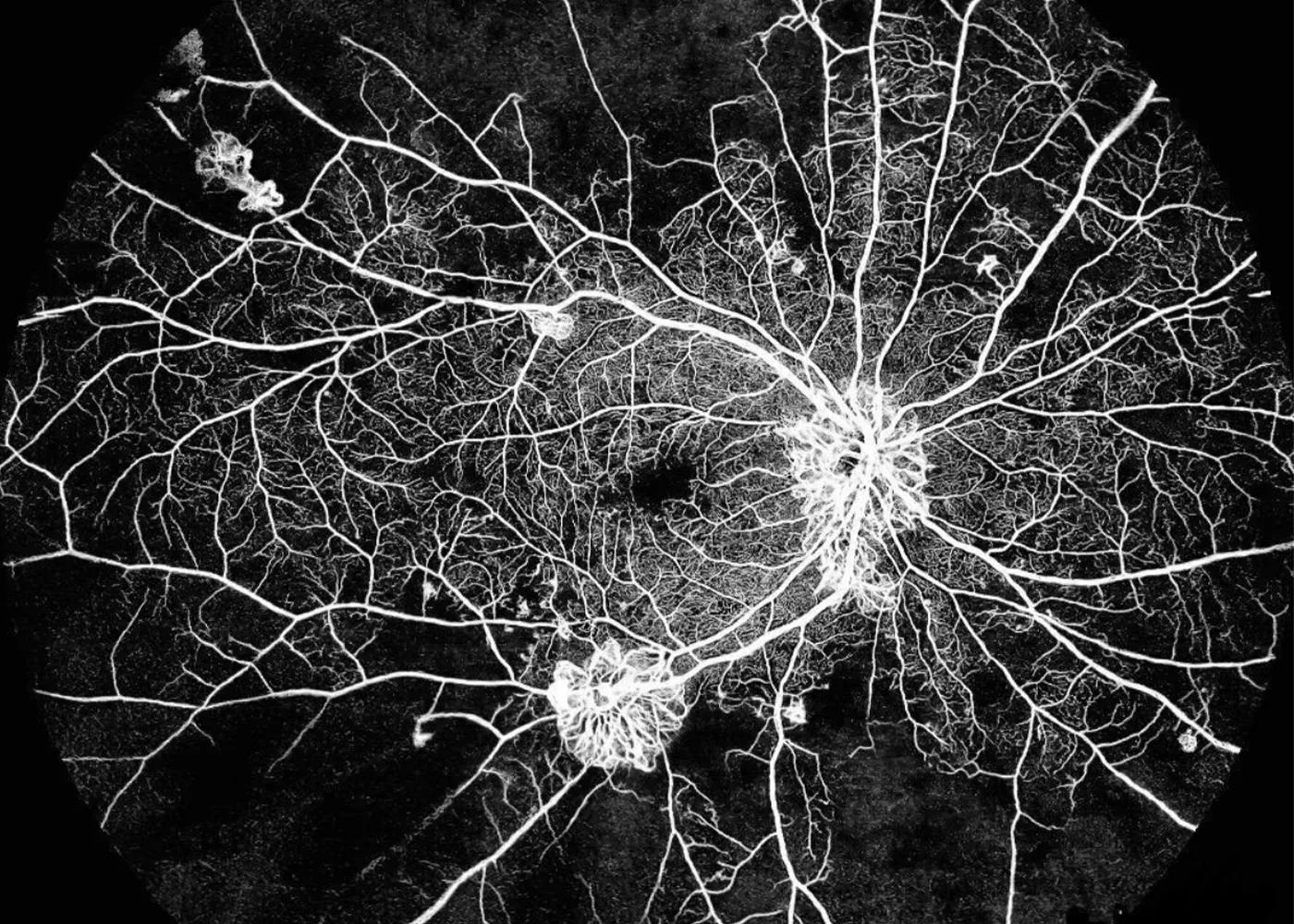
Diabetes can cause numerous complications with your eyes, including diabetic retinopathy. At Greater Dallas Retina in McKinney, Texas, Kruti Dajee, MD, Archana Nair, MD, and the team diagnose and treat diabetic retinopathy with a range of medical and surgical options including injections and laser surgery.
Diabetic Retinopathy Q & A
How does diabetes affect the eyes?
Diabetes (DM) is caused by elevated levels of glucose in the blood. These elevated levels can cause injury to the small blood vessels in the body, including those that supply the retina, and lead to serious health complications. It is estimated that over 50% of patients with diabetes will develop diabetic retinopathy.
To prevent these complications, you need to keep your blood sugar under control and regularly monitor it with a PCP or Endocrinologist. The American Academy of Ophthalmology (AAO) recommends maintaining a HA1c < 7.0 to decrease the risk of progression. It is important to get regular diabetic eye check ups to diagnose and treat disease early to prevent complications that could lead to irreversible blindness.
What are the stages of diabetic retinopathy?
Diabetic retinopathy is typically divided into two stages.
Nonproliferative diabetic retinopathy
Nonproliferative diabetic retinopathy causes weakened blood vessels in your retina. This weakening can cause fluid accumulation in the center of your vision known as diabetic macular edema (DME). Symptoms of DME include distortion and central decreased vision.
Proliferative diabetic retinopathy
Proliferative diabetic retinopathy is caused by production of abnormal blood vessels in the retina in the setting of poorly controlled DM. These abnormal blood vessels can lead to serious complications such as retinal detachments, glaucoma, vitreous hemorrhage or even blindness. This can lead to serious complications such as retinal detachment, glaucoma, and blindness.
How is diabetic retinopathy treated?
Multiple approved therapies exist for the treatment of diabetic retinopathy and diabetic macular edema. These medications have been shown not only to stabilize the retina but, in many cases, even improve the overall vision. These medications are administered in the office to the white part of the eye in a relatively painless procedure after the eye is anesthetized. Anti VEGF medications and steroid injections are two classes of medications used to treat DR and DME. Complications are extremely rare but can include ineffective treatment, cataracts, infections, hemorrhage, retinal detachment, and inflammation. In addition to intravitreal injections, lasers treatment is used for the treatment of DR. This procedure seals leaking abnormal blood vessels and prevents new ones from forming.
To schedule a diabetic eye care appointment at Greater Dallas Retina, call the office or request an appointment online today.
For more information, please visit the ASRS page https://www.asrs.org/patients/retinal-diseases/3/diabetic-retinopathy